Best Roof Direction and Sun Exposure for Solar Panels in Connecticut
For most Connecticut homes, a south-facing roof with little shade and a pitch between 30 and 40 degrees gives solar panels the best chance to produce the most energy. East and west-facing roofs can still work well, while north-facing roofs are usually the least productive choice.
After years of helping Connecticut homeowners plan and install solar systems, our team has evaluated countless roofs across the state. We know how local weather, tree cover, and roof design affect how much energy your panels can make. This guide shares straight answers based on real installation experience, so you can decide if your roof is a good fit for solar.
Why Roof Direction Matters for Solar Panel Performance
The direction your roof faces decides how much sunlight your panels get each day. More sunlight means more electricity, which leads to bigger savings on your power bill.
How Solar Panels Capture Sunlight Throughout the Day
Solar panels turn sunlight into electricity using cells made from silicon. The more direct sunlight that hits the panels, the more power they make. Panels work best when the sun shines straight onto them. As the sun moves across the sky, the angle changes, and so does the amount of energy your system produces. A roof that faces the sun for most of the day will always outperform one that gets sun for only a few hours.
Why Connecticut Homes Have Different Solar Conditions Than Other States
Connecticut sits at a higher latitude than southern states, so the sun stays lower in the sky during winter. Homes here also deal with snow, leaf cover from mature trees, and shorter winter days. These factors make roof direction and sun exposure even more important for Connecticut homeowners. A well-placed system can still produce strong results, but planning matters more than it does in sunnier climates.
The Relationship Between Roof Direction, Energy Production, and Savings
The better your roof direction, the more electricity your panels can produce. Higher production means you pull less power from the grid, which lowers your monthly bill. In Connecticut, net metering also lets you earn credits for the extra energy your system sends back to the grid. You can read more about how these programs work in our guide to Connecticut solar incentives in 2026. A south-facing roof can maximize both your daily production and your long-term savings.
The Best Roof Direction for Solar Panels in Connecticut
The best roof direction depends on your home's layout, but some directions clearly produce more energy than others.
Why South-Facing Roofs Usually Perform Best
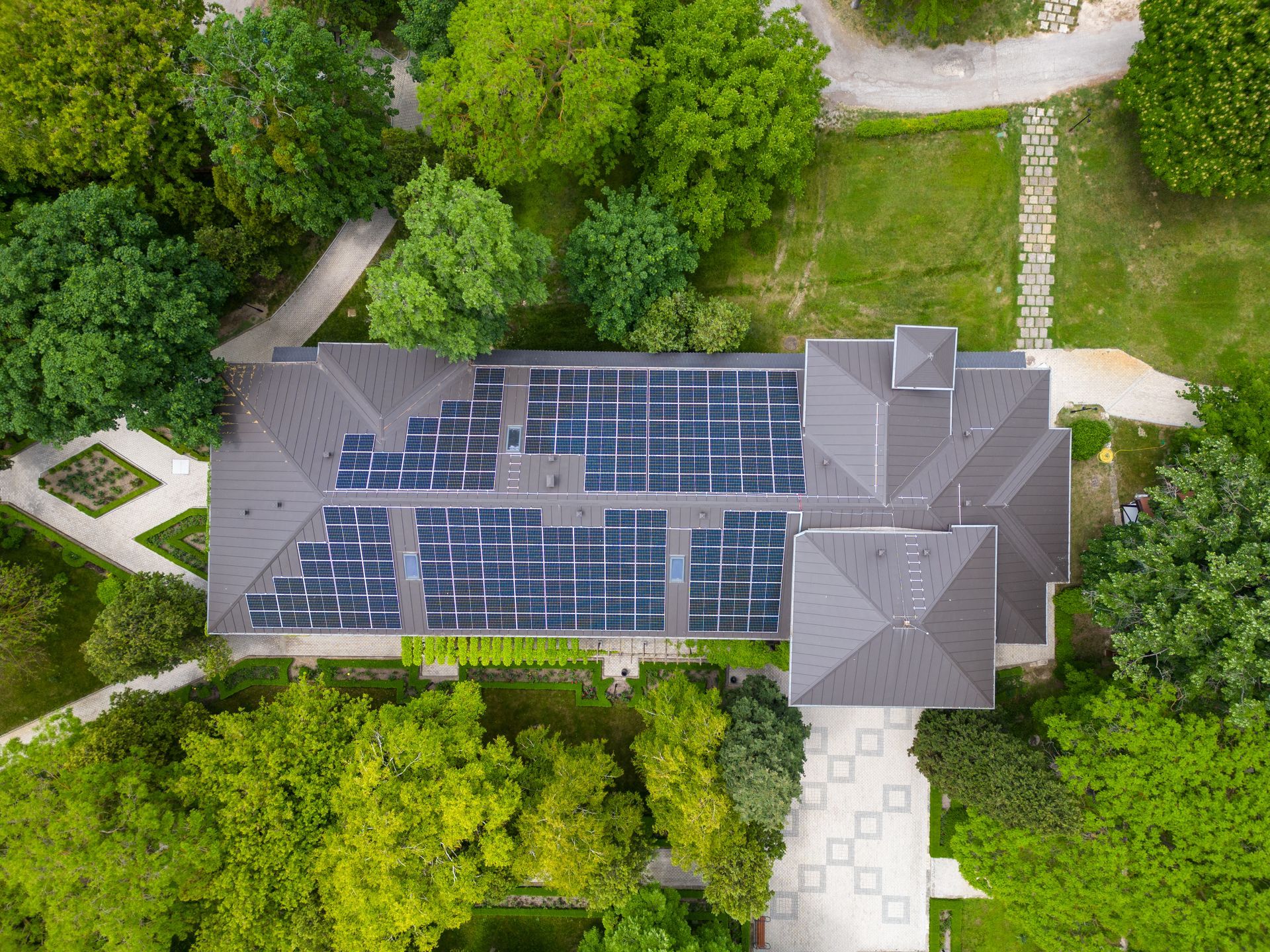
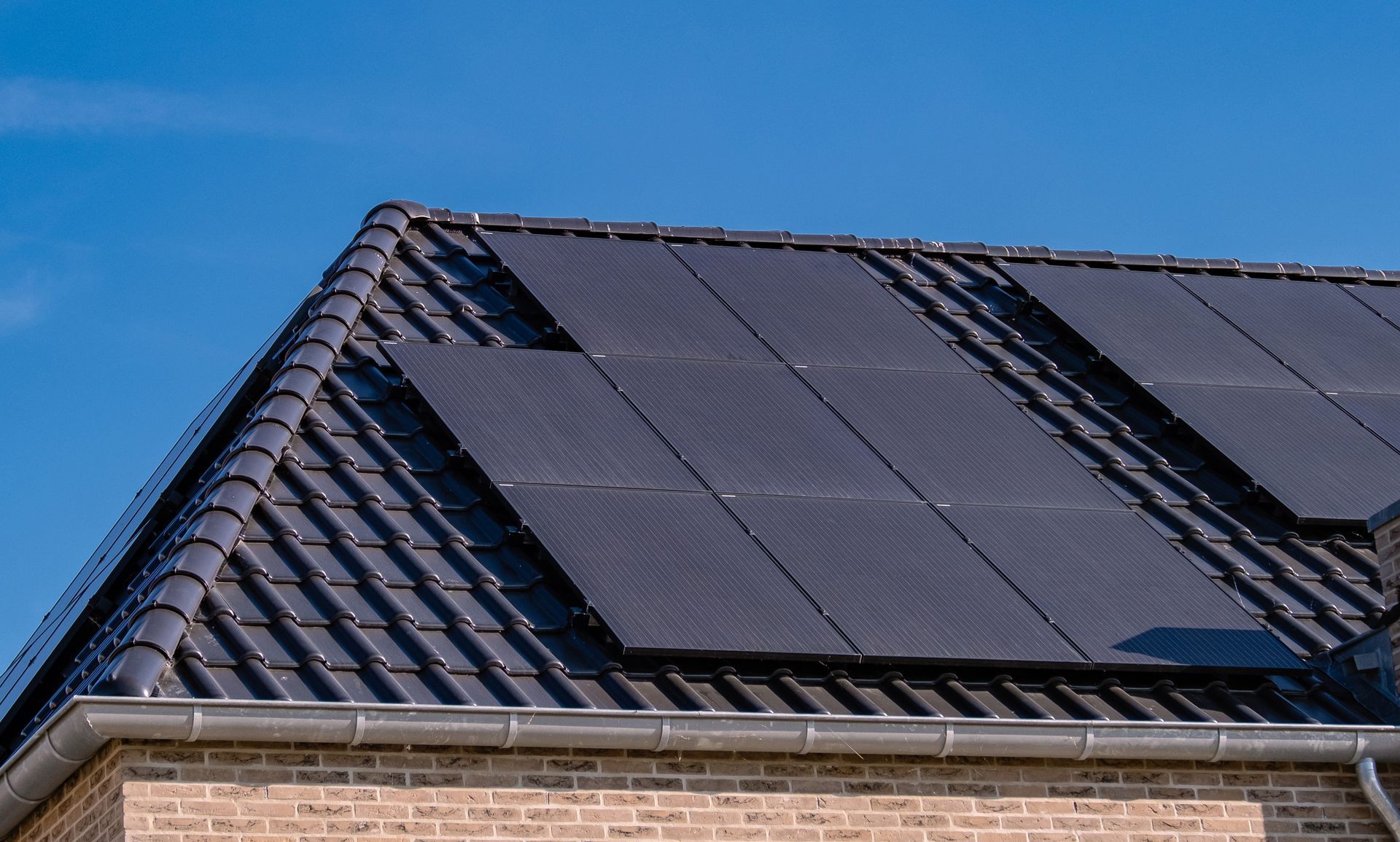
South-facing roofs get the most sun in Connecticut. They receive direct sunlight from morning until late afternoon, especially during the months when the sun sits highest in the sky. This direction usually gives the strongest year-round production and the fastest return on your investment.
Here's why south-facing roofs are the top choice in Connecticut:
- They get direct sunlight for the longest part of the day
- They produce the most energy during peak afternoon hours
- They perform well in both summer and winter sun angles
- They typically lead to the fastest payback on your solar investment
- They take full advantage of Connecticut's net metering credits
When East-Facing Solar Panels Make Sense
East-facing panels get strong morning sun. They produce less energy than south-facing panels but still perform well. East-facing systems work great for homes that use more power in the morning, like families getting ready for school and work.
When West-Facing Solar Panels Can Still Be Effective
West-facing panels catch the afternoon and evening sun. They produce close to the same total energy as east-facing systems, just at different times of day. If your household uses more electricity in the evening, a west-facing setup can be a smart match.
Why North-Facing Roofs Are Usually Less Ideal
North-facing roofs get the least direct sun in Connecticut. Panels here often produce 20 to 30 percent less energy than those on a south-facing roof. In most cases, installers will steer you toward another roof face when possible.
How Sun Exposure Affects Solar Energy Output
Even a perfectly angled roof will underperform if shade blocks the panels. Sun exposure plays just as big a role as direction.
Full Sun vs Partial Shade for Solar Panels
Panels in full sun produce far more energy than panels in partial shade. Even a small amount of shade on one panel can lower the output of other panels in the same string. Modern panels handle shade better than older systems, but full sun is always the goal.
How Trees, Chimneys, and Nearby Buildings Impact Production
Tall trees, chimneys, dormers, and nearby homes can all cast shadows on your roof. These shadows shift throughout the day and across the seasons. A good installer will study these shade patterns before recommending where to place panels.
Common shade sources to watch out for include:
- Tall trees on the south, east, or west side of your home
- Chimneys, vents, and skylights that rise above the roofline
- Dormers and rooflines from neighboring homes
- Power lines and utility poles close to the property
- Seasonal leaf cover that returns each spring
Seasonal Sun Changes in Connecticut
The sun sits much lower in the sky during Connecticut winters. This causes longer shadows and shorter daylight hours. Trees that don't block your roof in summer may cast shade across it in winter. Snow can also reduce output until it melts or slides off the panels.
Understanding Roof Angle and Solar Efficiency
Roof pitch, or the steepness of your roof, also affects how much energy your panels produce.
The Ideal Roof Pitch for Solar Panels in Connecticut
A pitch between 30 and 40 degrees works best in Connecticut. This range matches the angle of the sun across the seasons and helps panels produce strong energy year-round. Most homes in the state already fall within this range.
How Installers Adjust Panel Angles for Better Performance
If your roof pitch is too flat or too steep, installers can use mounting hardware to tilt the panels to a better angle. This adds some cost but can improve production on roofs that would otherwise underperform.
Roof Slope vs Roof Direction: What Matters More?
Roof direction matters more than roof slope. A south-facing roof with a less-than-perfect pitch will almost always outperform a steep north-facing roof. Direction sets the ceiling for how much sun your panels can capture.
Is Your Roof Good for Solar Panels?
Not every roof is ready for solar right away. A few simple checks can tell you if yours is a good fit.
Roof Age and Condition Before Installation
If your roof is more than 15 to 20 years old, you may want to replace it before installing solar. Panels last 25 to 30 years, so it makes sense to start with a strong roof. A roof inspection can confirm whether yours is ready.
How Roofing Materials Affect Solar Installation
Most roofing materials work well with solar panels. Asphalt shingles are the easiest and most common. Metal roofs also work great and can extend the life of your system. Slate and clay tile roofs can be installed on, but they need extra care and special hardware. For a closer look at how different materials compare, see our guide to the best roofing materials for solar panels in Connecticut.
Measuring Available Roof Space for Solar Panels
A typical Connecticut home needs around 300 to 500 square feet of usable roof space for a full solar system. The more open space you have, the more panels you can install. If you want a clearer estimate based on your energy use, our breakdown of how many solar panels you need in Connecticut walks through the math.
Obstructions That Can Limit Panel Placement
Skylights, vents, chimneys, and roof valleys all take up space that panels could use. These features don't make solar impossible, but they do limit where panels can go.
Why Larger Open Roof Sections Work Best
Wide, open roof sections give installers more flexibility. They allow for cleaner panel layouts and better overall production. Smaller or broken-up roof sections can still work, just with fewer panels.
What Happens If Your Roof Is Not Perfect for Solar?
A less-than-perfect roof doesn't mean solar is off the table. There are several ways to work around common challenges.
How Modern Solar Systems Work Around Less-Than-Ideal Roofs
Today's panels are more efficient than ever. Microinverters and power optimizers let each panel work on its own, so one shaded panel won't drag down the rest of the system. This makes solar possible on roofs that would have been skipped years ago.
Using Multiple Roof Faces for Better Coverage
Many Connecticut homes use a mix of east, west, and south-facing roof sections. Splitting panels across multiple faces can balance production throughout the day and add more total capacity.
Ground-Mounted Solar as an Alternative Option
If your roof isn't a good fit, a ground-mounted system might be. These setups go in your yard and can be angled exactly toward the sun. They need more open land but often produce more energy than rooftop systems. Our residential solar page covers the full range of options available to Connecticut homeowners.
Common Solar Placement Mistakes Homeowners Should Avoid
A few common mistakes can lower the performance and value of your solar system. Knowing them ahead of time can save you money and stress.
The most frequent mistakes Connecticut homeowners make include:
- Skipping a full shade study before choosing panel placement
- Installing panels on a roof that needs replacement within a few years
- Picking placement based only on how the panels will look
- Ignoring how seasonal sun changes affect winter production
- Choosing a system size without reviewing actual energy use
Installing Panels Without Evaluating Shade Patterns
Some homeowners install panels without checking shade across all four seasons. A roof that looks sunny in summer may sit in shade through winter. A proper shade study prevents this problem.
Ignoring Future Roof Replacement Needs
Installing panels on an old roof can lead to costly removal and reinstallation later. Always check your roof's age and condition first.
Choosing Placement Based Only on Appearance
Some homeowners want panels only on the back of the house for looks. While that's understandable, hiding panels on a shaded or poorly angled roof face can hurt production. A good installer will help you find a layout that balances looks and performance.
How Professional Solar Assessments Work
A solar assessment helps you understand exactly what your roof can do before you commit.
What Installers Look for During a Roof Evaluation
Installers check roof direction, pitch, age, condition, and structure. They also look at shade patterns, available space, and any obstructions. This gives them everything they need to design the right system for your home.
During a roof evaluation, installers typically review:
- Roof direction and the amount of usable south, east, or west-facing space
- Roof pitch and how it matches Connecticut's sun angles
- Roof age, material, and overall condition
- Shade patterns from trees, chimneys, and nearby buildings
- Structural strength and the ability to support panel weight
- Electrical setup and how the system will connect to your home
| Roof Direction | Typical Energy Production | Best For |
|---|---|---|
| South | 100% (highest output) | Maximum savings and year-round production |
| Southeast or Southwest | 90% to 95% | Strong production with some flexibility |
| East | 80% to 85% | Homes with high morning energy use |
| West | 80% to 85% | Homes with high evening energy use |
| North | 70% to 75% | Last-resort placement or paired with other roof faces |
Solar Mapping and Sun Exposure Analysis
Installers often use satellite tools and on-site measurements to map your roof's sun exposure. These tools show how much sunlight different parts of your roof get over the year. This helps build the most accurate production estimate for your home.
How Connecticut Solar Incentives Can Influence System Design
Connecticut offers programs like net metering and state-level incentives that reward strong energy production. A well-designed system can take full advantage of these programs and shorten your payback period.
Choosing the Right Solar Setup for Your Connecticut Home
Every home is different, so the best system is one built around your specific roof, energy needs, and goals.
Balancing Efficiency, Appearance, and Budget
Some homeowners want the highest output, while others care more about how the system looks. A skilled installer will help you find the right balance without sacrificing too much in any one area.
Why Every Home Requires a Customized Solar Layout
There is no one-size-fits-all solar system. Roof shape, direction, shade, and energy use all change from home to home. A custom layout makes sure you get the best return on your investment.
What to Expect Before Moving Forward With Installation
Before installation, you'll review your roof assessment, system design, production estimate, and final pricing. Knowing what to expect ahead of time makes the process smoother and helps you feel confident in your decision. For a full walkthrough, see our guide to
the solar installation process from start to finish.
Frequently Asked Questions
How much does roof direction actually affect my solar savings in Connecticut?
The difference can be significant over the life of your system. A south-facing roof typically produces the most energy, while east and west-facing roofs produce about 80 to 85 percent of that output. North-facing roofs can drop to 70 to 75 percent. Over 25 years, that gap can mean thousands of dollars in lost savings, which is why direction is one of the first things a good installer evaluates.
Can I still go solar if my roof has shade for part of the day?
Yes, in most cases. Modern systems use microinverters or power optimizers that let each panel work on its own, so shade on one panel won't drag down the rest. The key is identifying which parts of your roof get the most consistent sun and placing panels there. A professional shade study across all four seasons gives you the clearest picture before installation.
Should I replace my roof before installing solar panels?
If your roof is more than 15 to 20 years old, replacing it first usually makes sense. Solar panels last 25 to 30 years, and removing them later to redo your roof adds real cost. A roof inspection can tell you exactly how many years of life are left, so you can decide whether to replace it now or move forward as is.
What roof pitch works best for solar panels in Connecticut?
A pitch between 30 and 40 degrees lines up well with Connecticut's sun angles and produces strong year-round results. Most homes in the state already fall within this range. If your roof is flatter or steeper, installers can use tilt mounts to adjust the panel angle, though that adds some cost to the project.
What if my roof isn't a good fit for solar at all?
You still have options. A ground-mounted system goes in your yard and can be angled directly at the sun, often producing more energy than a rooftop setup. Splitting panels across multiple roof faces is another approach that works well for Connecticut homes with mixed roof shapes. A professional assessment will show you which option fits your property best.