How Much Do Solar Panels Cost in Connecticut? What Impacts Price
A Quick Answer on Solar Panel Cost in CT
The cost of solar panels in Connecticut depends on your home, your energy usage, your roof, the equipment selected, your financing option, and the incentives you may qualify for. There is no one-size-fits-all solar price because every home uses a different amount of electricity and needs a different system design.
A1 Solar is a Connecticut-based solar company located in Berlin, CT, serving homeowners throughout the state. Because we work directly with Connecticut homeowners, utility rules, solar financing options, and local roof conditions, we understand why accurate solar pricing requires more than a quick online estimate. This guide explains the main factors that impact solar panel cost in CT so you know what to compare before requesting a quote.
Why Solar Panel Pricing Varies From Home to Home
Solar panel pricing varies because every property has different energy needs and installation requirements. Two homes on the same street could need different system sizes, different equipment, or different installation plans.
Your Home’s Energy Usage
Your electricity usage is one of the biggest factors in solar panel cost. A home that uses more electricity usually needs a larger solar system to offset more of its utility bill. Your installer will typically review your electric bills to understand how many kilowatt-hours your home uses each month and throughout the year.
This matters more than the size of the house. A smaller home with electric heat, central air, an electric vehicle, or a pool may use more power than a larger home with gas appliances and lower monthly usage.
Solar System Size
The size of your solar system is usually measured in kilowatts, often shortened to kW. A larger system has more panels and can produce more electricity, but it also costs more to install.
The right system size depends on your energy goals. Some homeowners want to offset as close to 100% of their electric usage as possible. Others may choose a smaller system because of roof space, budget, financing preferences, or future plans for the home.
Roof Layout, Direction, and Shading
Your roof plays a major role in both solar performance and installation cost. A simple roof with strong sun exposure is usually easier to design around. A roof with multiple angles, dormers, skylights, vents, chimneys, or heavy tree shading may require a more detailed layout.
In Connecticut, roof direction and shade can make a big difference. South-facing roof sections often produce strong solar output, but east- and west-facing sections can still work well depending on the home. Heavy shade from trees or nearby buildings may reduce production and affect how many panels are needed.
Equipment Quality and System Design
Solar panels are not all the same. Panel efficiency, inverter type, monitoring features, warranties, and overall system design can all impact price. Higher-quality equipment may cost more upfront, but it may also produce better long-term value when paired with a smart design.
The lowest quote is not always the best quote. A system that is poorly designed, undersized, or built with weaker equipment may not perform the way you expect over time.
Labor, Permits, and Interconnection
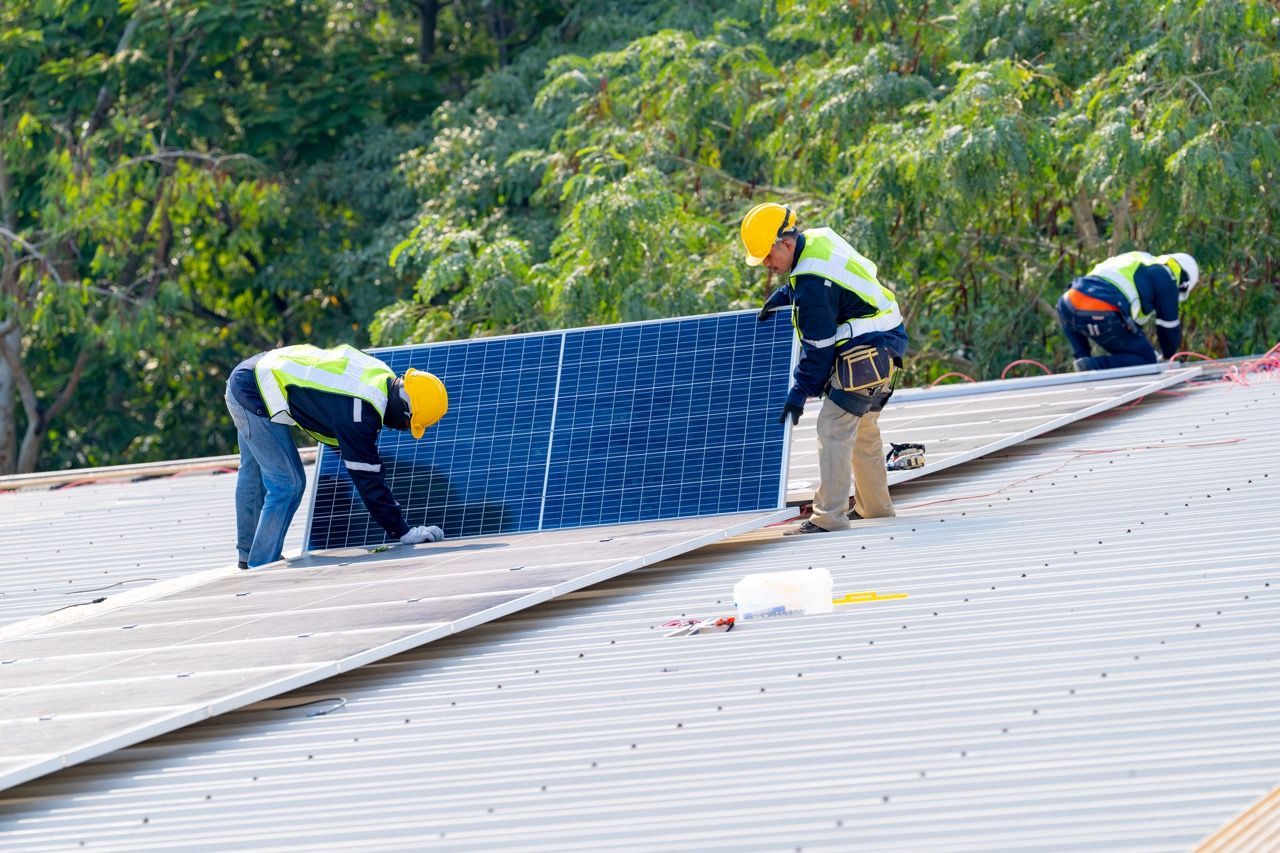
Solar installation cost also includes labor, permitting, electrical work, inspections, and utility interconnection. These steps are important because your system must be safely installed and approved before it can operate.
In Connecticut, the process may involve local building departments, utility requirements, and inspection timelines. A professional installer should explain what is included in the quote and how the approval process works.


Average Solar Panel Cost Factors in Connecticut
When comparing solar panel cost in Connecticut, it helps to understand the pieces that make up the final price. Most solar quotes are based on system size, equipment, labor, and any add-ons or site-specific requirements.
Cost Per Watt
Solar pricing is often discussed as cost per watt. This helps compare quotes across different system sizes. For example, a larger system will usually cost more in total, but the cost per watt helps you compare the value of each proposal more fairly.
When reviewing cost per watt, make sure you understand what is included. A quote that leaves out important electrical work, monitoring, warranty details, or permitting may look cheaper at first but may not be a true apples-to-apples comparison.
Number of Panels Needed
The number of panels needed depends on your electricity usage, the wattage of each panel, and how much sunlight your roof receives. Higher-wattage panels may reduce the number of panels needed, while lower-wattage panels may require more roof space.
The goal is not just to fit as many panels as possible. The goal is to design a system that fits your home, your usage, your roof, and your long-term savings goals.
Whether You Add Battery Storage
Battery storage can increase the total cost of a solar project. Some homeowners add batteries for backup power, energy independence, or extra control over how their solar energy is used. Others choose solar panels without batteries to keep the initial project cost lower.
Whether a battery makes sense depends on your goals, your budget, your utility situation, and how important backup power is to your household.
How Connecticut Solar Incentives Can Affect Your Net Cost
Solar incentives can reduce the net cost of a solar installation, but they depend on eligibility, timing, ownership structure, tax situation, and program rules. Always review incentive details with a qualified tax professional or program representative before making a decision.
Federal Solar Tax Credit
The federal solar tax credit can help reduce the cost of a qualifying solar installation for eligible homeowners who own their system. This credit is generally based on a percentage of qualified solar project costs.
Because this is a tax credit, it depends on your tax situation. A solar company can explain the general program, but a tax professional should confirm how it applies to you.
Connecticut Solar Programs and Utility Savings
Connecticut homeowners may also benefit from solar programs, utility credits, or renewable energy savings structures that affect long-term value. These programs can change over time, so it is important to get current information when planning your project.
For many homeowners, the bigger long-term benefit comes from reducing electric bills over time. Connecticut has high electricity costs compared with many states, which is one reason solar can be attractive for homeowners who have strong roof conditions and steady energy usage.
Property Tax and Sales Tax Considerations
Some solar-related tax benefits may help reduce the cost impact of going solar in Connecticut. These may include sales tax or property tax considerations for qualifying systems. Rules can vary, so homeowners should confirm current program details before relying on any incentive.
How Solar Financing Options Affect Connecticut Homeowners
How you pay for solar can affect your upfront cost, monthly payment, total long-term savings, and ownership benefits. The best option depends on your budget and your goals.
Cash Purchase
A cash purchase usually has the highest upfront cost, but it may provide strong long-term savings because there are no loan payments or interest costs. Homeowners who pay cash may also have a simpler ownership structure and more direct access to eligible incentives.
Solar Loans
Solar loans allow homeowners to install solar with little or no large upfront payment, depending on the loan terms. The monthly loan payment may be compared against the expected utility bill savings to understand the real monthly impact.
When reviewing a solar loan, compare the interest rate, term length, monthly payment, dealer fees, prepayment options, and total cost over the life of the loan.\
What to Compare Before Choosing Financing
Before choosing a financing option, look beyond the monthly payment. A lower monthly payment may come with a longer term or higher total cost. A higher monthly payment may cost less overall if the loan is shorter or has better terms.
Ask for a clear breakdown of the system cost, financing terms, incentive assumptions, and estimated savings. You should understand what you are paying for before signing a solar agreement.
How to Estimate Your Solar Payback Period
Your solar payback period is the amount of time it may take for your energy savings to make up for the net cost of the system. This depends on the system price, incentives, electric rates, solar production, financing costs, and how much electricity your home uses.
In Connecticut, payback can be affected by high electric rates and available solar programs. However, every home is different. A realistic estimate should be based on your actual utility usage, roof conditions, system design, and financing choice.
A good solar estimate should show:
- Your current electricity usage
- Your proposed system size
- Estimated annual production
- Estimated bill savings
- Total project cost
- Incentive assumptions
- Financing details, if applicable
- Estimated payback period
These numbers should be explained clearly, not buried in confusing charts or sales language.
Why the Cheapest Solar Quote Is Not Always the Best Option
It is smart to compare solar quotes, but the cheapest quote is not always the best choice. A low price may mean the system is smaller, the equipment is different, the warranty is weaker, or important work is not included.
When comparing solar companies in Connecticut, ask questions like:
- Is the system sized correctly for my usage?
- What equipment is included?
- What warranties apply?
- Are permits, inspections, and interconnection included?
- How realistic are the production and savings estimates?
- Who handles the installation and support?
- What happens if my roof needs work before solar?
A strong solar quote should be clear, complete, and easy to understand. The right installer should help you make an informed decision instead of pushing you into a quick sale.
How to Get an Accurate Solar Estimate for Your Connecticut Home
The best way to understand solar panel cost in CT is to get a custom estimate based on your home. Online averages can be helpful for research, but they cannot account for your roof layout, utility usage, panel placement, shade, financing goals, or incentive eligibility.
A1 Solar helps Connecticut homeowners review their solar options with clear guidance and practical recommendations. If you are comparing residential solar costs, start with a custom assessment so you can understand your system size, expected production, estimated savings, and available financing options.
Solar is a long-term investment. The more clearly you understand the cost, the better decision you can make for your home.